The Dapivirine Vaginal Ring: A New Era of HIV Prevention for Women in Zambia
By Tendai Mumba, BSCN, HNP, RN Nurse | HIV Advocate | Health Educator | Author of “Think Like a Nurse” on May 27, 2026
As a nurse and HIV advocate, I am passionate about sharing information on innovative HIV prevention methods that empower women to take charge of their health. One such innovation is the Dapivirine Vaginal Ring (DVR), a new HIV prevention option now available in Zambia.
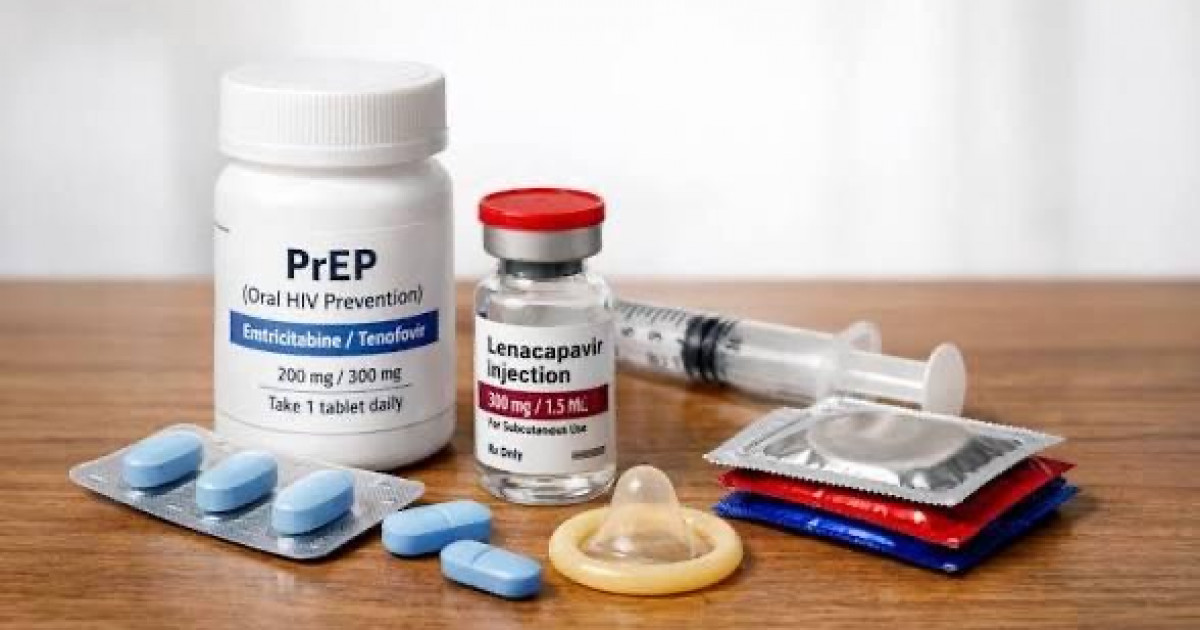
Before discussing the benefits of the DVR, it is important to understand that the Dapivirine Vaginal Ring only protects against HIV and does not protect against other sexually transmitted infections (STIs) such as gonorrhoea, syphilis, chlamydia, or genital herpes. For this reason, consistent and correct condom use is still strongly recommended, especially for individuals at risk of STIs.
It is also important to note that the Dapivirine Vaginal Ring does not interfere with hormonal contraceptives or other family planning methods. Women can safely use the ring alongside contraceptive pills, injectable contraceptives, implants, intrauterine devices (IUDs), and other approved family planning options.
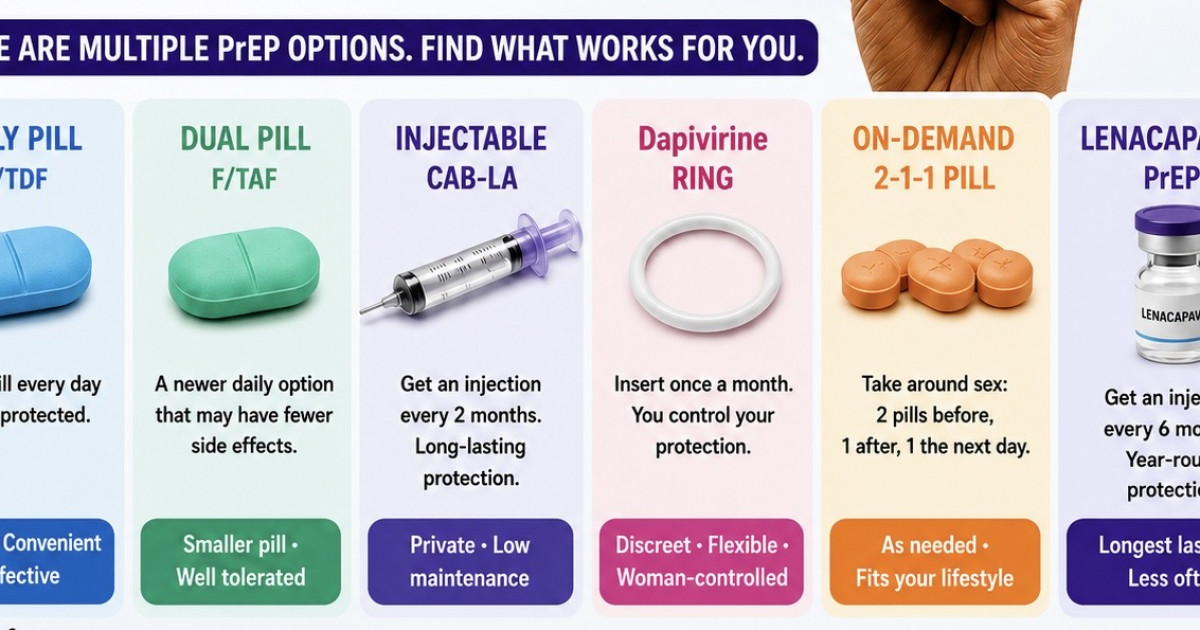
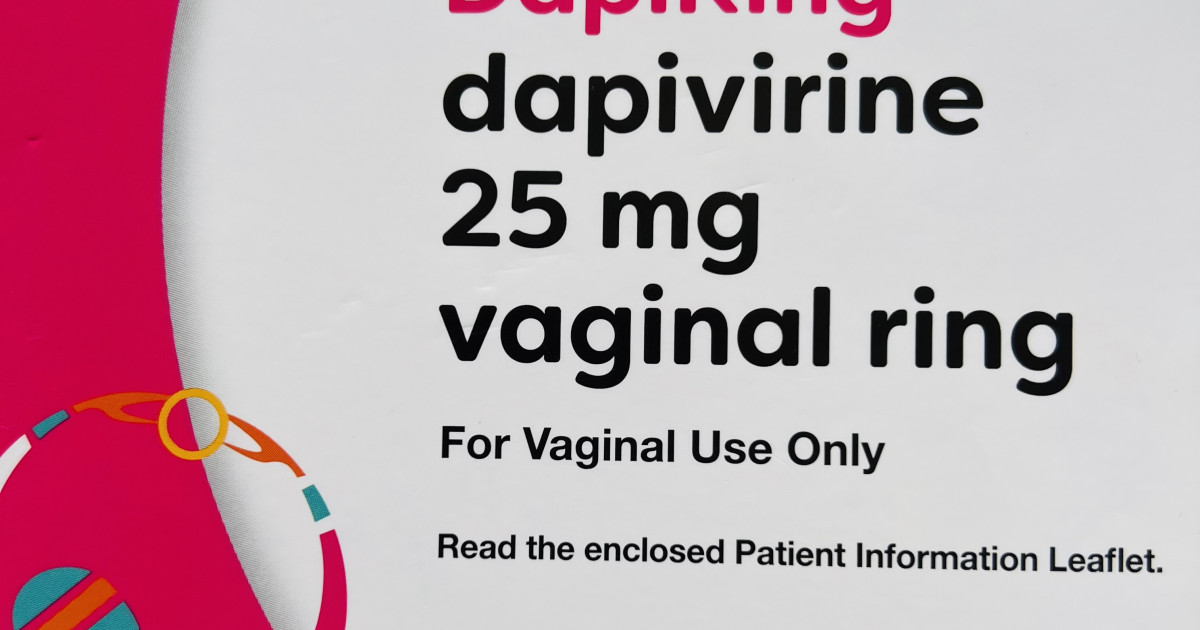
The Dapivirine Vaginal Ring is a soft, flexible silicone ring that is inserted into the vagina and worn continuously for 28 days. It slowly releases dapivirine, an antiretroviral medication that helps reduce a woman’s risk of acquiring HIV. After 28 days, the ring is removed and replaced with a new one.
One of the key advantages of the DVR is that it is discreet, convenient, and woman-controlled. Unlike daily oral PrEP, which requires taking medication every day, the vaginal ring only requires monthly replacement. This makes it an attractive option for women who may find daily medication challenging.
The introduction of the DVR in Zambia represents an important milestone in the country’s HIV prevention efforts. By expanding prevention choices, women are given more options to select a method that best suits their needs, lifestyle, and circumstances.
Women interested in accessing the Dapivirine Vaginal Ring can obtain it from selected health facilities, including:
- University Teaching Hospital (UTH)
- Chawama Level One Hospital
- Planned Parenthood Association of Zambia (PPAZ)
At these facilities, healthcare professionals provide counselling, education, and support to help women make informed decisions about HIV prevention.
As healthcare workers, advocates, and community members, we must continue raising awareness about available HIV prevention methods. Every woman deserves access to accurate information and effective tools that enable her to protect her health and future.
The Dapivirine Vaginal Ring is more than just a medical innovation—it is a step toward empowering women, expanding prevention choices, and strengthening Zambia’s response to HIV. Together, through education, awareness, and access to prevention services, we can move closer to ending new HIV infections and building healthier communities.