HIV Stigma: A Barrier We Must Break
By Tendai Mumba, BScN, HNP, Registered Nurse, HIV Prevention Advocate, and Health Educator. on May 31, 2026
Despite significant progress in HIV prevention, testing, and treatment, HIV stigma remains one of the greatest challenges in the fight against the epidemic. Stigma affects how people living with HIV are treated by their families, communities, workplaces, and even healthcare providers. It creates fear, discrimination, and isolation, often preventing individuals from accessing the services they need.
HIV stigma is rooted in misinformation, fear, and prejudice. Many people still hold outdated beliefs about how HIV is transmitted, leading to unfair judgments and negative attitudes toward those living with the virus. As a result, some individuals avoid HIV testing, delay seeking treatment, or choose not to disclose their status due to fear of rejection.
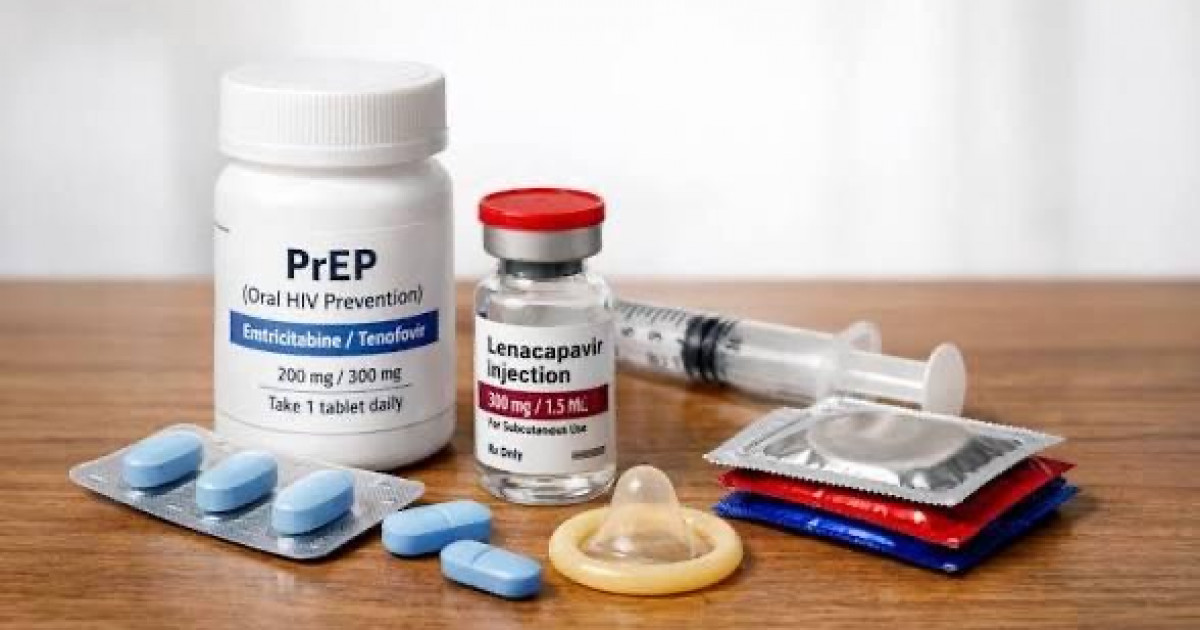
One of the most effective ways to reduce HIV infections is through increased awareness of available prevention methods. Today, individuals have several options to protect themselves from HIV. These include consistent and correct condom use, regular HIV testing, and Pre-Exposure Prophylaxis (PrEP).
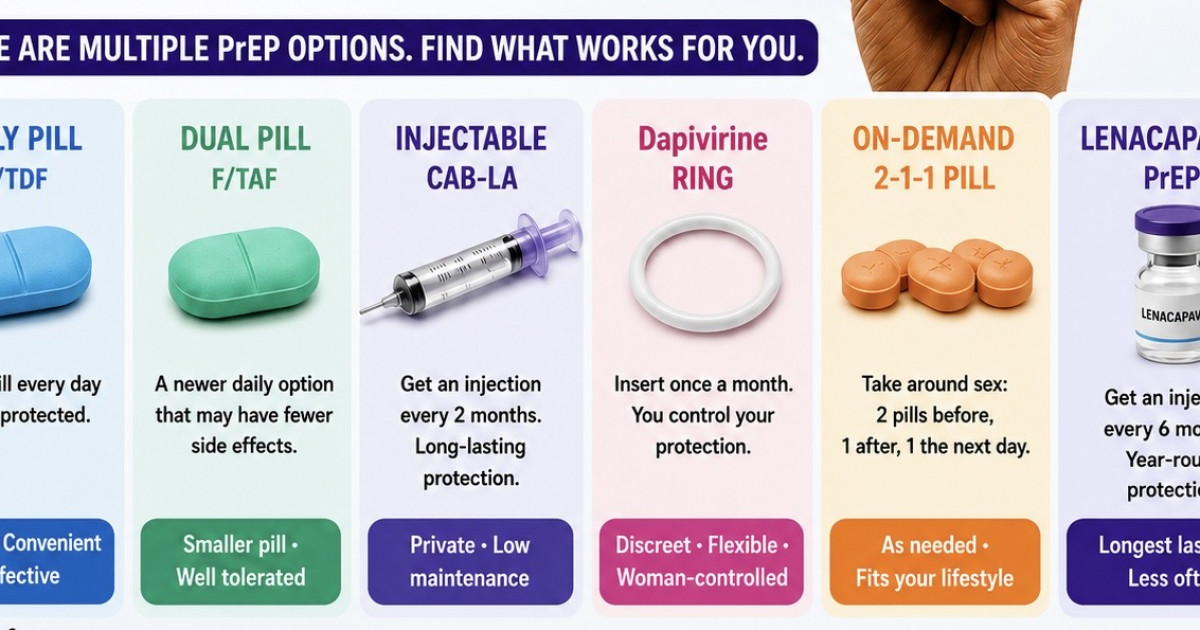
PrEP is a highly effective HIV prevention method for people at risk of acquiring HIV. It is available in different forms, including daily oral PrEP tablets, long-acting injectable PrEP administered by healthcare providers, and the dapivirine vaginal ring (PrEP Ring), a discreet prevention option designed for women. When used correctly, these prevention methods significantly reduce the risk of HIV acquisition and empower individuals to take control of their sexual health.
However, stigma often discourages people from accessing these services. Some individuals fear being judged for requesting HIV prevention products or seeking HIV-related healthcare. This fear can prevent them from benefiting from life-saving interventions.
Education remains one of the most powerful tools for combating HIV stigma. Communities must be provided with accurate information about HIV transmission, prevention, and treatment. It is important to emphasize that people living with HIV who adhere to treatment can live long, healthy lives and can achieve viral suppression, significantly reducing the risk of transmission.
Healthcare workers, community leaders, educators, and advocates all have a role to play in creating supportive environments free from discrimination. Respect, empathy, and confidentiality should be at the center of all HIV-related services and interactions.
As we work toward ending HIV as a public health threat, we must also commit to ending HIV stigma. Every person deserves dignity, respect, and access to quality healthcare regardless of their HIV status. Together, we can build communities where people feel safe to get tested, access HIV prevention services, seek treatment, and live openly without fear of judgment.
The fight against HIV is not only about medicine—it is also about compassion, understanding, and human rights.