Rising of STIs in Zambia: From Awareness to Action Why Stronger Partnerships, Innovation and Community Engagement Matter
By Tendai Mumba The Author is a Registered Nurse | HIV Nurse Practitioner | Health Advocate | Founder, Health Champs Initiatives. on August 31, 2026

Jane loves and trusts John. Believing they are faithful to each other, they do not use condoms. John, however, has sexual contact with Judy, who has previously been with Emmanuel, who has been with Martha. Unknown to everyone, Martha has an STI. The infection moves from Martha to Emmanuel, Judy, John and eventually Jane. Jane has been faithful throughout, yet she now has an STI.
This fictional story reflects a real public health challenge. STIs can move silently through sexual networks because many infections cause few or no symptoms. Trust and faithfulness are important in relationships, but neither is a substitute for testing. Zambia's growing STI burden therefore requires urgent, compassionate and evidence-based action, not blame.
The World Health Organization estimates that more than one million curable STIs are acquired globally every day among people aged 15–49. Untreated infections can cause infertility and other serious complications and increase vulnerability to HIV transmission.
Zambian evidence reinforces this concern. A 2026 study involving 996 pregnant women in Nchelenge reported trichomoniasis at 22.7%, active syphilis at 13.7%, Mycoplasma genitalium at 12.7%, gonorrhoea at 8.4% and chlamydia at 7.4%. While these are not national prevalence estimates, they demonstrate the importance of screening, diagnosis and timely treatment.
Recent figures from Kitwe provide another warning. The Kitwe District Health Office reported more than 1,600 STI cases in the final quarter of 2025 and 1,652 cases in the first quarter of 2026. More than 60% of recorded cases were among people aged 20–24. These figures should concern us not because they justify judging young people, but because they show where prevention, education and health services must become stronger.
Young people are growing up in an environment where sexual content is increasingly accessible through social media, entertainment and the internet. Some are becoming sexually active at an early age, while others may have multiple partners or engage in transactional sex, where sex is exchanged for money, gifts, accommodation, school support or other material benefits. Such situations may be driven by poverty, economic vulnerability and unequal power and must therefore be addressed with compassion rather than stigma.
At the same time, young people must be encouraged to take responsibility for their sexual health. Delaying sexual activity, making informed choices, avoiding multiple concurrent partnerships, using condoms correctly and consistently, testing regularly and seeking treatment early can reduce risk. Sexual health education should not simply tell young people what not to do; it should give them the knowledge, confidence and life skills to make safer decisions.
Zambia does not need to start from scratch. We already have primary healthcare facilities, antenatal clinics, HIV testing and treatment platforms, community health networks and skilled healthcare professionals. The country's HIV response has demonstrated the value of testing, counselling, prevention, treatment and sustained health education. These lessons can be applied to STI prevention by integrating services rather than creating fragmented programmes.
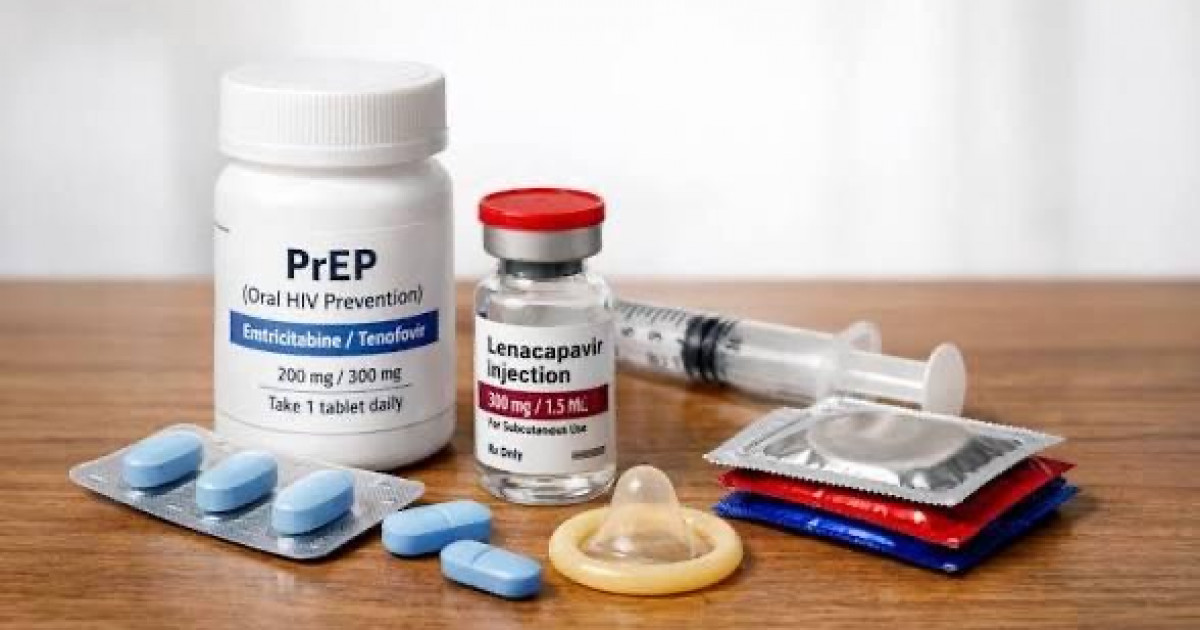
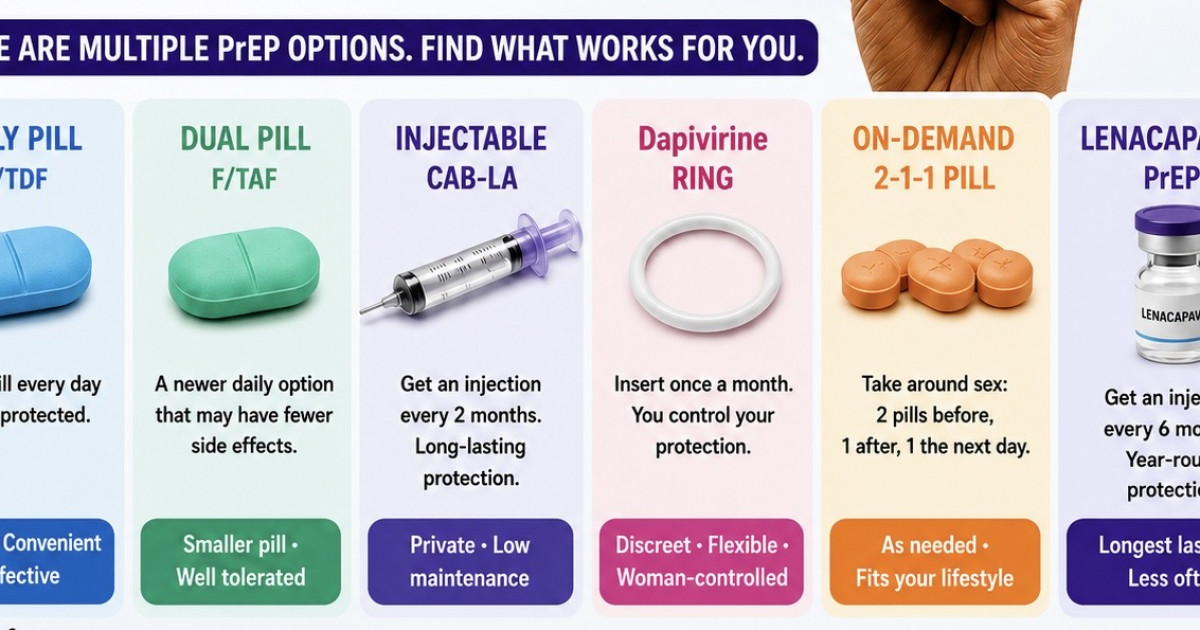
PrEP is an important advancement in HIV prevention, but it does not prevent STIs such as syphilis, gonorrhoea or chlamydia. PrEP services should therefore be accompanied by STI screening, condom access, hepatitis B prevention and comprehensive sexual health counselling.
Antenatal care also provides an important opportunity to identify and treat infections early. Untreated maternal syphilis can contribute to miscarriage, stillbirth, premature birth and congenital complications. Integrating STI services with the WHO Triple Elimination Initiative can strengthen efforts to eliminate mother-to-child transmission of HIV, syphilis and hepatitis B.
Our response must also meet young people where they are. They are already discussing relationships, STIs, PrEP, fertility and confidential testing on TikTok, Facebook, Instagram and WhatsApp. Digital campaigns can connect awareness to care through WhatsApp support, QR codes, referrals and information about youth-friendly services.
Government, healthcare professionals, researchers, civil society, communities and young people all have a role. Government can provide leadership and resources; healthcare workers can deliver confidential and dignified care; researchers can generate local evidence; and civil society and digital advocates can challenge stigma and promote accurate information.
At Health Champs Initiatives, our mission is to complement national health priorities through grassroots mobilisation, youth leadership, digital advocacy and strategic partnerships. Emerging interventions such as Doxy-PEP also deserve scientific consideration, but any introduction in Zambia should be guided by local evidence, national guidelines and antimicrobial-resistance monitoring.
Zambia does not need a culture of blame. We need coordinated action and shared responsibility. The story of Jane, John, Judy, Emmanuel and Martha is fictional, but the chain of transmission it represents is real.
Our response must therefore go beyond awareness. We need testing, early treatment, condoms, honest communication, comprehensive sexual health education, PrEP for HIV prevention and accessible, confidential healthcare. Zambia has already shown what is possible through its HIV response. Now we must apply those lessons to STIs turning data into action, awareness into services and partnerships into sustainable solutions.
The time to move from awareness to action is now.