ZAMBIA MUST EMPOWER WOMEN WITH THE DAPIVIRINE RING A New Chapter in HIV Prevention for Women and Girls
By By Tendai Mumba, BSCN, HIV Nurse Practitioner & Registered Nurse on April 16, 2026
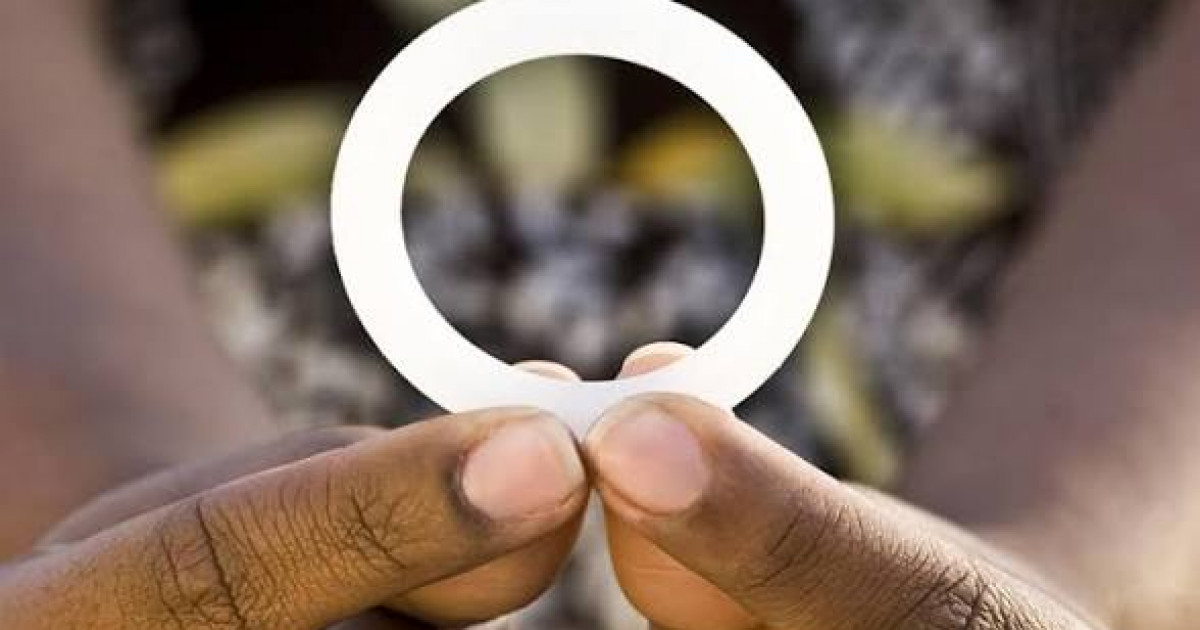
LUSAKA — Zambia stands at a defining moment in its fight against HIV/AIDS. The country is set to launch the Dapivirine Vaginal Ring (DVR)—a breakthrough in HIV prevention that has the potential to transform how women and adolescent girls protect themselves.
This is not just another medical innovation. It is a powerful, woman-controlled tool that could reshape the trajectory of HIV prevention in Zambia.
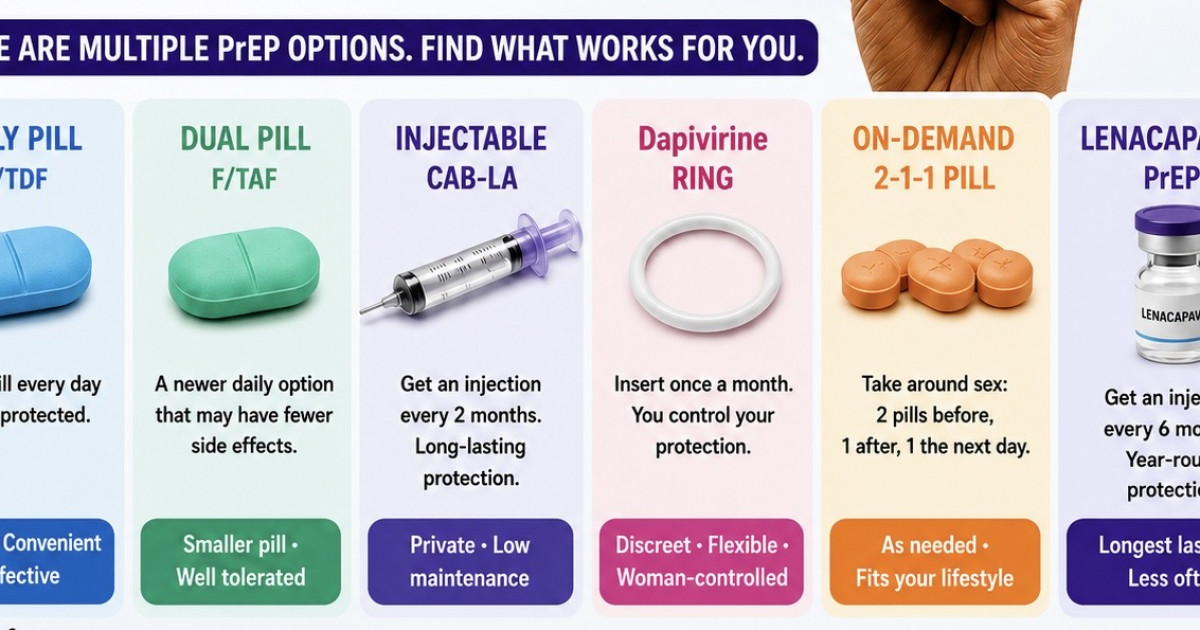
For far too long, young women have remained disproportionately affected. Across sub-Saharan Africa, they are twice as likely to acquire HIV compared to men.This is not merely a statistic it is a lived reality seen daily in clinics and communities.The Dapivirine Vaginal Ring offers a new and practical solution. Designed to be worn for 28 days, the ring gradually releases antiretroviral medication, providing continuous protection without the burden of taking daily pills.
According to available information, the ring is already accessible in Lusaka at selected facilities, including University Teaching Hospital (UTH), the Planned Parenthood Association of Zambia ( PPAZ), and Chawama Level One Hospital marking an important step toward wider national rollout.
“This is more than prevention—it is power placed directly in the hands of women.”
WHY THIS MATTERS NOW
• Monthly Protection, Not Daily Pressure – One ring provides protection for 28 days.
• Discreet and Woman-Controlled – Women can protect themselves independently.
• Minimal Side Effects – Medication is delivered locally.
• Simple and Non-Invasive – No injections or daily pills required.
• More Choices, Better Outcomes – Expanding prevention options saves lives.
“The Dapivirine Vaginal Ring allows women to take control of their health quietly, safely, and confidently.” — Tendai Mumba
BEYOND INNOVATION: A NATIONAL RESPONSIBILITY
While the science is promising, success will depend on deliberate and coordinated action.
We must expand access beyond Lusaka, strengthen community awareness, promote youth-friendly health services, and address stigma and misinformation surrounding HIV prevention.
Without these efforts, even the most effective tools risk being underutilized.
“The science is here. The tool is available. The responsibility is ours.”
Zambia has taken a bold and commendable step forward. Now, the task ahead is clear: ensure that every woman and girl has the knowledge, access, and confidence to use this life-changing prevention method.