Expanding HIV Prevention
By Tendai Mumba on January 11, 2026

For decades, the fight against HIV has depended not only on medical breakthroughs, but also on how easily people can access and consistently use prevention tools. While daily oral pre-exposure prophylaxis (PrEP) has been highly effective, adherence remains a challenge for many individuals due to pill fatigue, stigma, and lifestyle constraints. The emergence of long-acting injectable PrEP marks a turning point offering discreet, convenient, and sustained protection that aligns more closely with people’s lives. As science advances, so too does the opportunity to rethink HIV prevention in ways that are more inclusive, flexible, and effective.
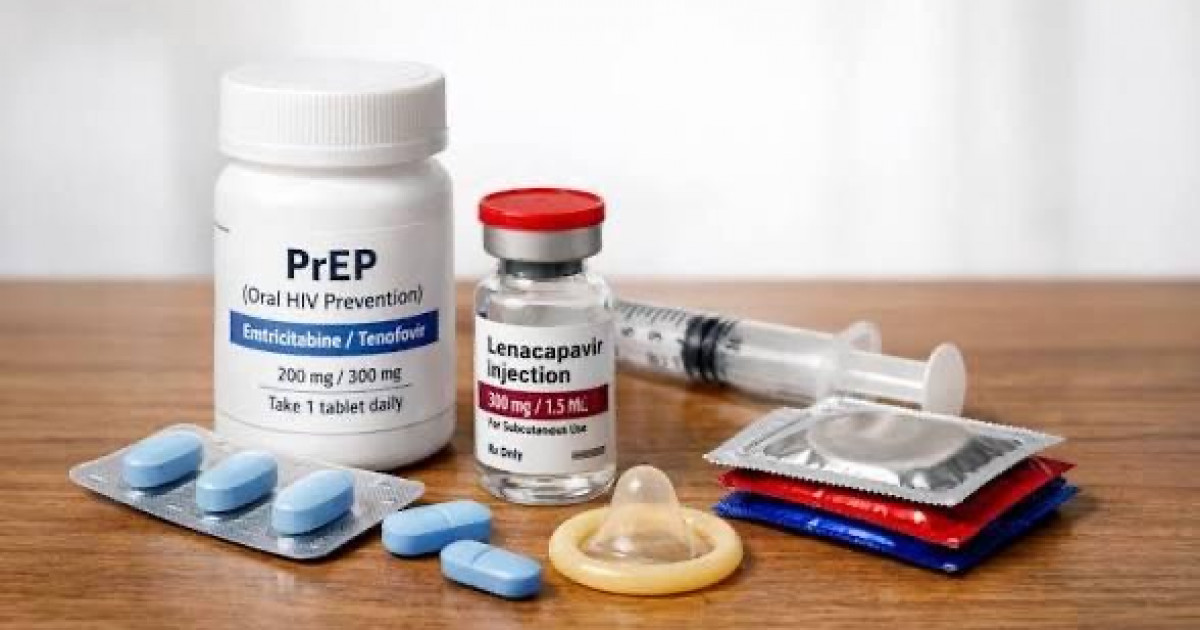
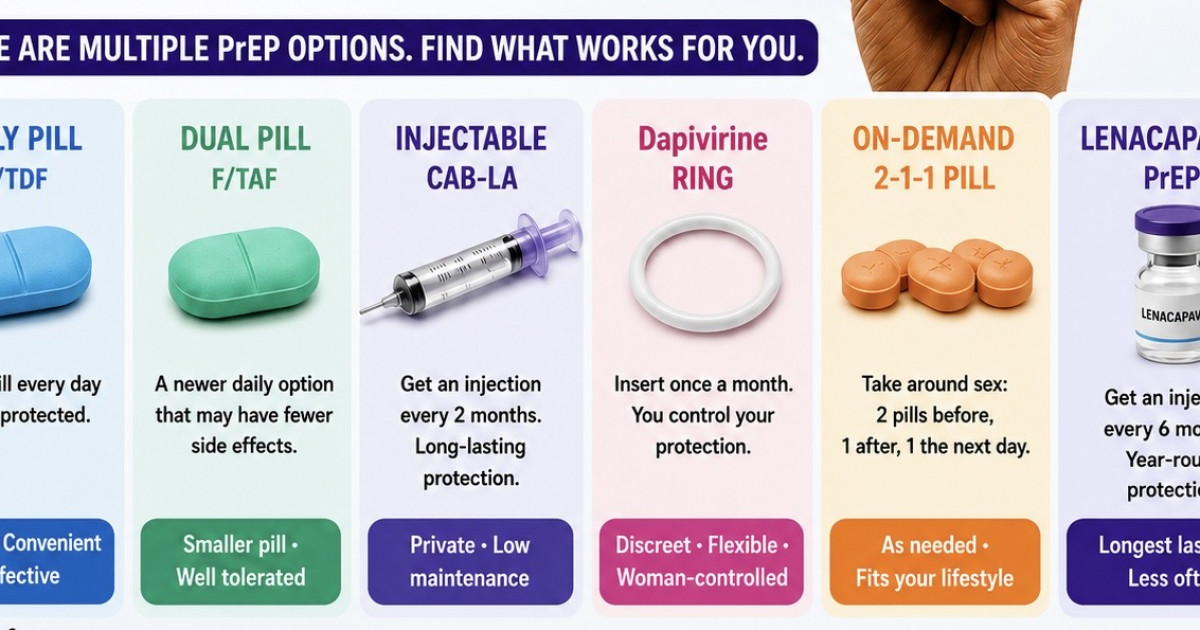
In February 2024, cabotegravir (CAB-LA) was launched as an injectable PrEP option, providing effective HIV protection for approximately two months between doses. Building on this momentum, November 2025 marks the approval and launch of lenacapavir (LEN), a longer-acting injectable PrEP option that offers protection for up to six months. These developments represent a significant step forward in expanding HIV prevention choices.
Lenacapavir (LEN) is an HIV-1 capsid inhibitor used for HIV prevention in individuals who do not have HIV. It is administered subcutaneously at a dose of 927 mg, given as two 1.5 mL injections every 26 weeks, to reduce the risk of HIV acquisition. When initiating LEN, individuals also receive an oral loading dose of 600 mg, taken as two 300 mg tablets over two consecutive days starting on the day of the first injection. Together, CAB-LA and LEN expand the range of long-acting PrEP options, improving convenience and supporting sustained protection for individuals at risk.
Expanding the range of PrEP options is critical for improving both uptake and consistent use of HIV prevention methods. When individuals can choose a prevention option that fits their preferences and circumstances, they are more likely to start and remain on PrEP. In this context, the World Health Organization (WHO) recommends long-acting injectable lenacapavir as an additional HIV prevention option within comprehensive combination prevention strategies. Administered only twice a year, LEN has demonstrated high effectiveness in reducing the risk of HIV acquisition.
The WHO guideline also endorses the use of HIV rapid diagnostic tests (RDTs) for people initiating or continuing long-acting injectable PrEP, including both LEN and CAB-LA. Flexible HIV testing strategies are emphasized to ensure that testing requirements do not become a barrier to accessing or continuing PrEP—particularly injectable formulations that require clinic visits at longer intervals.
In addition, the guideline provides implementation guidance to support programme managers, policymakers, researchers, healthcare providers, communities, and other stakeholders in rolling out LEN and HIV testing for long-acting injectable PrEP. It also highlights key research gaps, including the need for further evidence on the role of HIV self-testing in the context of long-acting injectable PrEP.
Although lenacapavir has been shown to be generally safe, some side effects have been reported, most commonly injection-site reactions (ISRs). In the PURPOSE 1 and 2 clinical trials, only a small number of participants discontinued LEN due to ISRs, and these reactions tended to decrease in frequency and severity over time. However, clinical trial settings may not fully reflect real-world use, as participants often receive incentives to remain in studies. For this reason, programmes implementing LEN should actively monitor discontinuation related to ISRs.
Other adverse events particularly serious events and those leading to treatment discontinuation should be systematically documented, compiled, and reported to relevant stakeholders. Community-led information-sharing initiatives can play an important role in supporting awareness, early reporting, and management of side effects.
Zambia has planned the introduction of long-acting injectable lenacapavir as part of its national HIV prevention strategy. Preparations were made to initiate the rollout in November 2025, with the goal of expanding HIV prevention options and increasing PrEP uptake among populations at higher risk of HIV acquisition. The planned implementation focuses on integrating LEN into existing combination prevention programmes, strengthening service delivery systems, and ensuring healthcare providers are adequately trained to support the safe and effective use of long-acting injectable PrEP.
Long-acting injectable PrEP, particularly lenacapavir, represents more than a scientific breakthrough, it offers a practical opportunity to transform HIV prevention. By reducing the burden of daily adherence, expanding choice, and aligning prevention tools with real-life needs, LEN has the potential to reach individuals who have been left behind by existing approaches.
To turn this promise into lasting impact, coordinated action is essential. Policymakers must prioritize supportive policies and sustainable financing; health systems must ensure provider readiness, flexible testing, and robust safety monitoring; and communities must be actively engaged to build trust, address concerns, and promote informed choice. Zambia’s step demonstrates how strategic planning and integration can strengthen national HIV prevention efforts. With collective commitment and community-centered implementation, long-acting injectable PrEP can help move us closer to ending new HIV infections and achieving equitable access to prevention for all.