The Livingstone Indaba sparked the conversation ,now it’s time for action.
By Tendai Mumba on December 9, 2025
Nursing in Zambia has deep roots stretching back to the colonial era, when the first Zambian state registered nurses were trained abroad because local training was limited. A nationally recognised pioneer is Kapelwa Mwanang’umbi Sikota, widely credited as the first Zambian registered nurse (qualifying in the early 1950s) and later Chief Nursing Officer, her career helped lay the foundations for a national nursing profession and for early regulation.
In the decades after independence Zambia progressively institutionalised nursing education and professional regulation. The original nursing legislation gave way to more modern legal frameworks, culminating in the Nurses and Midwives Act (No. 10 of 2019), which formalised the Nursing and Midwifery Council of Zambia (NMCZ) as the statutory body responsible for education, registration, licensure and standards of practice. The Act strengthened oversight of curricula, training institutions and the issuing of practising certificates.
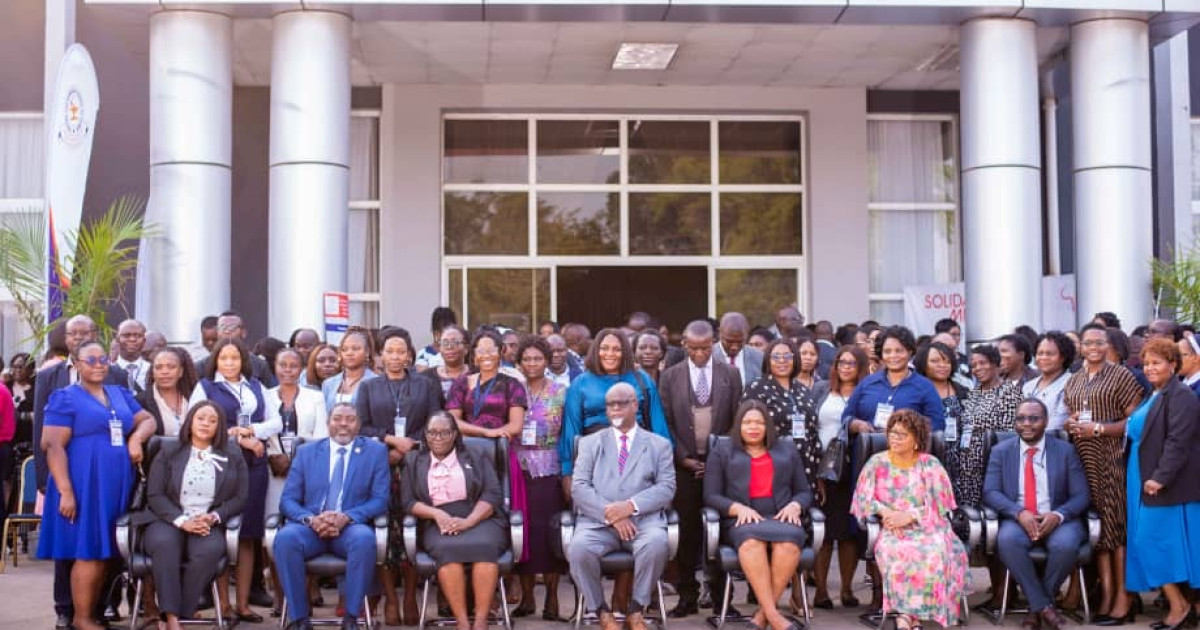
Yet, while we celebrate progress, there remains a sobering reality, over 29,000 qualified nurses and midwives are unemployed. This was revealed during the first ever 3-day nurses and midwives indaba in Livingstone under the theme: “Together we can build a future where nurses are respected and empowered.”
In response, Guest of Honour, Minister of Health Dr. Elijah Muchima, candidly stated that the government “cannot employ all nurses.” His words sent murmurs across the conference hall. Though difficult to accept, the statement was an honest reflection of the current situation. It challenged us to face the truth that we can no longer rely solely on government payrolls to define our professional destiny.
The issue of unemployment dominated many side conversations during tea breaks. Some colleagues expressed frustration, others despair. But amid the disappointment, a new idea was taking root: nurses must become creators of opportunity, not just seekers of employment.
This means reimagining nursing beyond the wards. Nurses can run home-care centres, establish midwifery clinics, start wellness hubs, or provide consultancy on community health education. These are not far-fetched dreams they are viable options that can supplement public healthcare delivery and create livelihoods.
As one speaker rightly said, “We can’t wait for deployment letters forever; sometimes we must write our own.” I couldn’t agree more.
Another recurring topic at the Indaba was the migration of Zambian nurses. NMCZ indicated that over 900 nurses have registered to work abroad this year alone, seeking better pay and conditions. Zambia remains on the UK’s red list, meaning developed nations are discouraged from actively recruiting from us but that hasn’t stopped individuals from leaving.
I understand their decision. Nursing abroad offers exposure, growth, and a chance to improve one’s life. But I also believe the grass is not always greener on the other side. Many returns with stories of isolation, long shifts, and cultural shock. What we need is balance: creating local environments that value and retain nurses, while supporting safe and ethical migration for those who choose to go. Retention starts with respect, fair pay, and professional development—not just words, but action.
One of the most powerful sessions for me was by Professor Lonia Mwape, who spoke candidly about mental health in the nursing profession. She described burnout, stress, and emotional fatigue as “the invisible wounds” that too many nurses carry. Her message was simple but profound: “You can’t pour from an empty cup.”
We often talk about patient care, but rarely about caregiver care. Many nurses are exhausted, demoralised, or struggling silently with depression and anxiety. For a profession built on compassion, we must learn to extend that compassion inward to ourselves.
She implored hospitals, training institutions, and policymakers to make mental well-being part of the nursing professional practice, not an afterthought.
At the Indaba, NMCZ Registrar and CEO Beauty Zimba reminded us that nurses are the backbone of healthcare “the first point of contact for patients and the last to leave their side.” That statement resonated deeply. Yet, despite our central role, the nursing voice is still underrepresented in key decisions about health policy and systems management.
If nurses truly are the backbone of the health system, then our perspectives should inform reforms, not follow them. Empowerment starts with having a seat at the table and the confidence to speak up when we do.
Looking Ahead from Reflection to Action. As I travelled back from Livingstone, I kept thinking about what this Indaba meant for our future. It was more than a conference it was a wake-up call. A reminder that nursing is not just a job; it is a calling of resilience, compassion, and innovation.
We need to move from reflection to action embracing entrepreneurship, prioritising mental health, and demanding fairness and respect in the workplace. The transformation we seek in healthcare will not come from policy papers alone but from how we, as nurses and midwives, rise to meet the challenge.
Our profession has carried the lives of many Zambians and the healthcare system through crises and change. Now, it must carry itself forward with courage, creativity, and conviction.
The future of nursing lies beyond the uniform—in how boldly we imagine what comes next.
The Author is a Registered Nurse and BSc/HIV